Is Cashback Worth It? An Honest Answer From £1,636 of Receipts
The Cashback Chap
Member since November 2023 · 123 purchases tracked
Last verified 8 September 2026
Last verified: 8 September 2026 · By The Cashback Chap
Short answer: yes — but not for the reason the adverts give. After three years, 123 purchases and £1,636.17 earned, cashback has been worth it for me because of bounties, switches and intro offers, not because of the 1% on everyday shopping. It has also cost me about £98 in cashback that never arrived, and a lot of patience. Here's the honest maths, both columns.
Disclosure: cashback links here are my referral links — free for you, they fund the testing.
What it actually pays: my numbers
| Figure | |
|---|---|
| Earned since Nov 2023 | £1,636.17 |
| Per month, averaged | ≈ £48 |
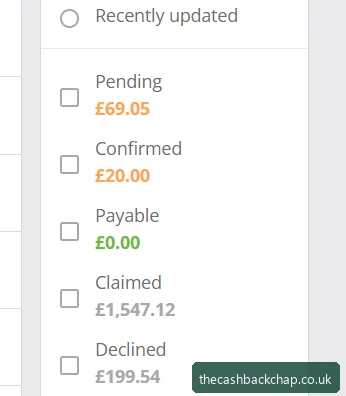
| Actually withdrawn to bank | £1,547.12 (~20 payouts, biggest £216.20) |
| Genuinely lost to declines | ≈ £98 |
| Genuine purchases the tracking missed | 0 of 123 |
| Typical wait from purchase to payout | 4 days – 26 weeks |
Forty-eight pounds a month isn't life-changing — the Reddit consensus that it's "better than nothing, not life-changing" is exactly right for shopping cashback. What tips it into clearly-worth-it is that a third of my total came from referrals and another chunk from switch bounties (£120 for changing mobile network, £45 on car insurance) — money for things I was doing anyway. The full breakdown by stream shows where the value really sits.
The time cost, honestly
Per purchase: one extra click and maybe 30 seconds checking the rate. Across 123 purchases that's perhaps two hours over three years — for £1,636, an hourly rate no side hustle touches. The real time cost is waiting: money you can't spend for weeks or months, and the occasional claim to chase.
The downsides nobody puts in the headline
1. It's slow. Retail confirms in days to weeks; travel confirms after you travel; SIM and subscription bounties can take six months. Treat cashback as a bonus that arrives later, never as part of the price you're paying today.
2. It's not guaranteed. About £98 of mine never came — VPN sign-ups that declined, a fashion retailer that declined four of five orders. The causes were almost always mine: an unofficial code, a second browser tab, a "new customer" offer on an old email. (The other ~£100 in my "declined" column is duplicate tracking that cost nothing — decoded here.)
3. The behavioural trap. The genuine danger is buying something because there's cashback. Twelve percent back on a jacket you didn't need is an 88% loss. Every good line in my account is a purchase I'd have made regardless.

"Isn't cashback just added onto the price?"
A fair Reddit worry, and the answer is no — not to you specifically. Cashback is funded from the retailer's marketing budget: they pay the cashback site a commission for the referral, the same money they'd otherwise spend on ads. The price on the retailer's site is identical whether you clicked through or not. So for a purchase you're making anyway, it is simply money you don't otherwise get.
Cashback sites vs cashback credit cards vs loyalty schemes
- Cashback sites (TopCashback, Quidco): 1–15% on shopping, flat bounties of £20–£120 on switches and sign-ups, 100% offers on some subscriptions. Highest ceiling by far; slowest to pay.
- Cashback credit cards: typically 0.5–1% on everything (intro rates can be higher for a few months). Instant and automatic, but the moment you carry a balance the interest wipes out years of rewards.
- Loyalty apps (Asda Rewards, Nectar, Clubcard): fractions of a percent, paid in vouchers. Worth using; not the same league.
They stack: pay for a cashback-site purchase with a cashback card and you earn both.
When cashback is NOT worth it
- If it makes you spend more or buy sooner than planned.
- If you're the kind of person who'll leave £150 sitting unclaimed — withdraw regularly; cashback balances aren't bank deposits and aren't FSCS-protected.
- If you'd rather use unofficial codes than follow the rules — you'll spend more time on claims than you save.
My verdict
Worth it — clearly — if you treat it as a bonus on money already leaving your account, route every switch and renewal through it, and tell friends. Not worth it as a reason to shop. Three years in, I'd describe it as the highest-paying habit I have per minute spent, with the caveat that the pay cheque is always late.
FAQ — real questions people ask Google
Is there a downside to cash back? Three: it's slow (days to months), it isn't guaranteed (about £98 of mine never paid), and it can tempt you into spending you wouldn't otherwise do. The first two are manageable; the third is the one that makes cashback genuinely not worth it for some people.
Does cashback actually give you money? Yes — real money to your bank. I've withdrawn £1,547.12 from TopCashback across roughly 20 payouts, the largest £216.20. It's paid from retailers' marketing commission, not added to your price.
Is cashback dodgy? Established UK sites aren't. TopCashback has operated since 2005 and Quidco sits inside the FCA-regulated Moneysupermarket group; my tracking has never missed a genuine purchase in 123. The "dodgy" feeling comes from slow confirmations and merchant declines — real, but not fraud.
Is cashback in the UK any good? Better than most countries': two large sites with 5,000+ retailers each, flat bounties on switches, and intro offers that can exceed 100%. Averaged over three years mine has paid about £48 a month for a minute or two of effort per purchase.
All figures from my own TopCashback account (screenshots shown), verified 8 September 2026. Sources: MoneySavingExpert cashback guide · r/UKPersonalFinance discussions · full TopCashback review.
New to TopCashback? You get £10 too.
Join through my link and TopCashback adds a £10 bonus once you've earned £10 in cashback — on shopping you'd do anyway. Free to join; new-member terms apply, and it's how this site keeps testing.